Understanding The Role of Accessories in Everyday Style
Accessories are more than add-ons. They are essential components of personal style. From jewelry and belts to scarves and sunglasses, accessories add dimension and personality to clothing.
Accessories as Style Enhancers
Clothing builds the foundation of an outfit, but accessories refine it. They can:
Add color to neutral outfits
Create focal points
Introduce texture
Balance proportions
Reflect personality
For example, a belt can shape loose clothing and define the waist. A handbag can introduce structure to relaxed outfits. Sunglasses can add sophistication or mystery.
Accessories allow you to customize your look daily without changing your entire wardrobe.
Emotional and Psychological Impact
What you wear influences how you feel. Adding accessories often makes people feel more confident and prepared. A polished look can increase self-assurance in professional or social settings.
For example:
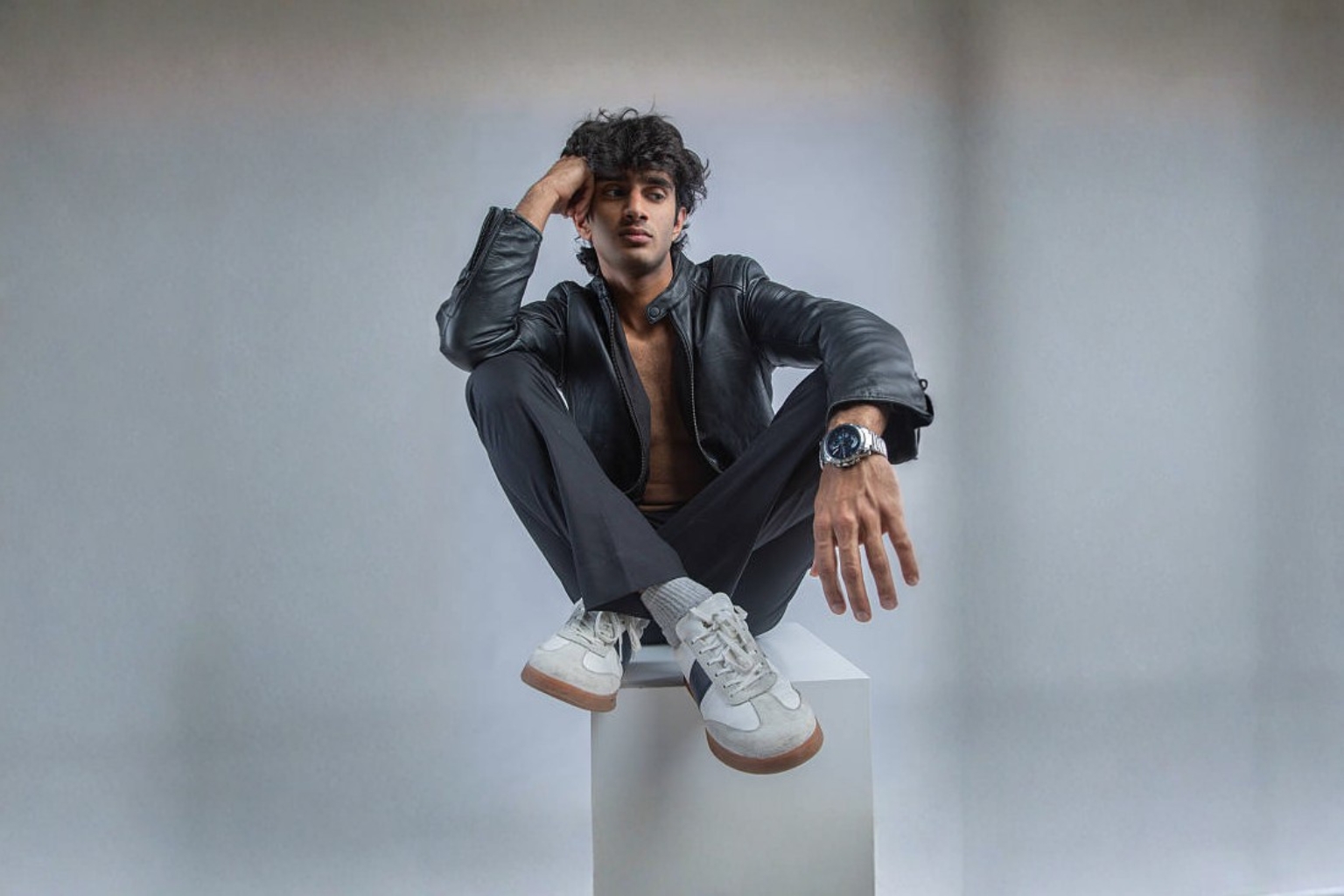
A classic watch may create a sense of discipline and punctuality.
A bold necklace may boost confidence during presentations.
A favorite pair of earrings may feel comforting and familiar.
Accessories can subtly shift your mindset. When you feel well-dressed, you carry yourself differently.
Types of Everyday Accessories
Understanding the different categories of accessories helps you build a versatile collection.
Jewelry Essentials
Jewelry remains one of the most common ways to accessorize. Essential pieces include:
Stud or hoop earrings
Delicate necklaces
Bracelets
Rings
Watches
Minimal jewelry works well for professional environments. Statement jewelry—like chunky necklaces or oversized earrings—adds drama for social occasions.
The key is balance. Choose one focal piece and keep other items subtle.
Functional Accessories
Some accessories combine practicality with style:
Handbags
Belts
Sunglasses
Scarves
Shoes
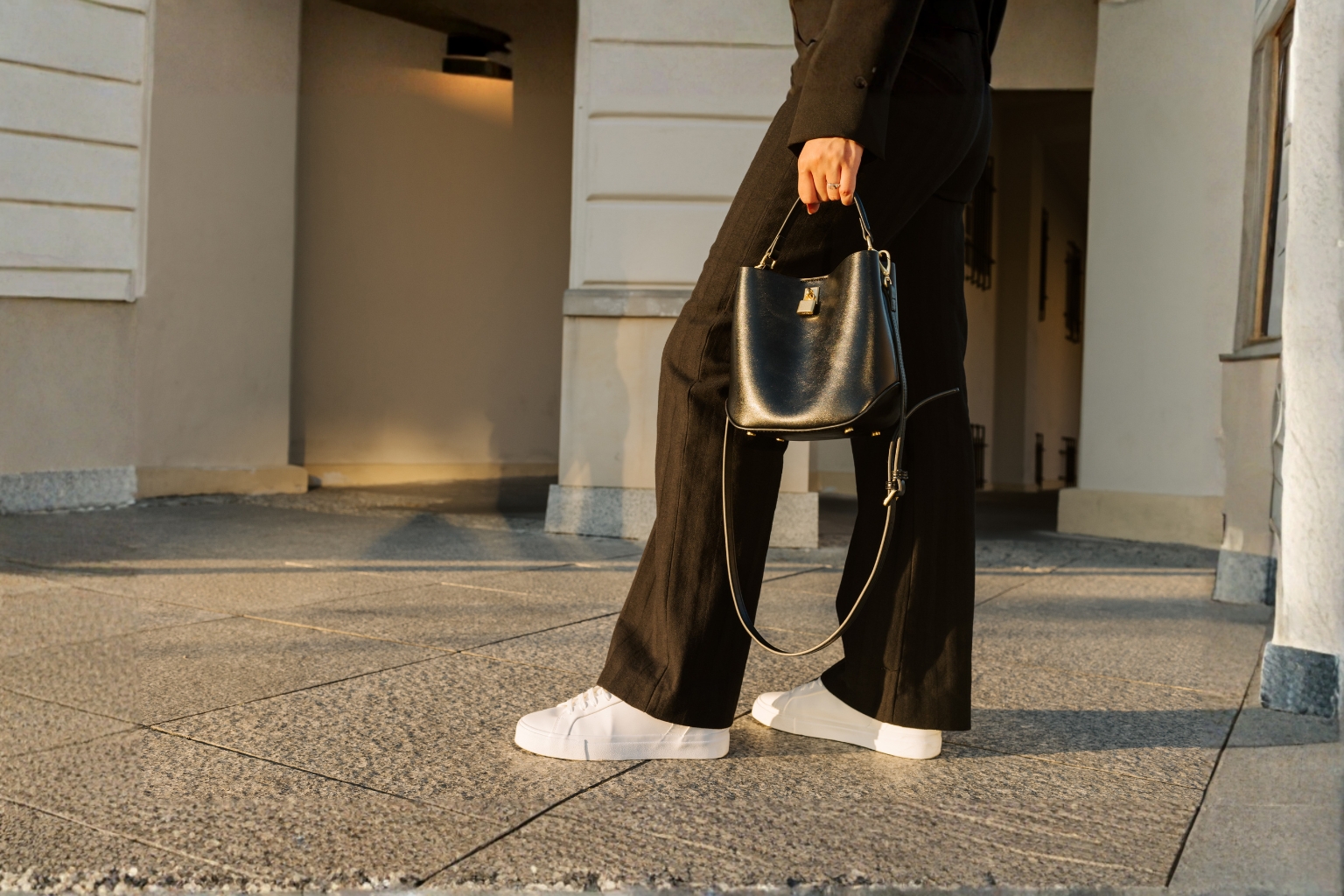
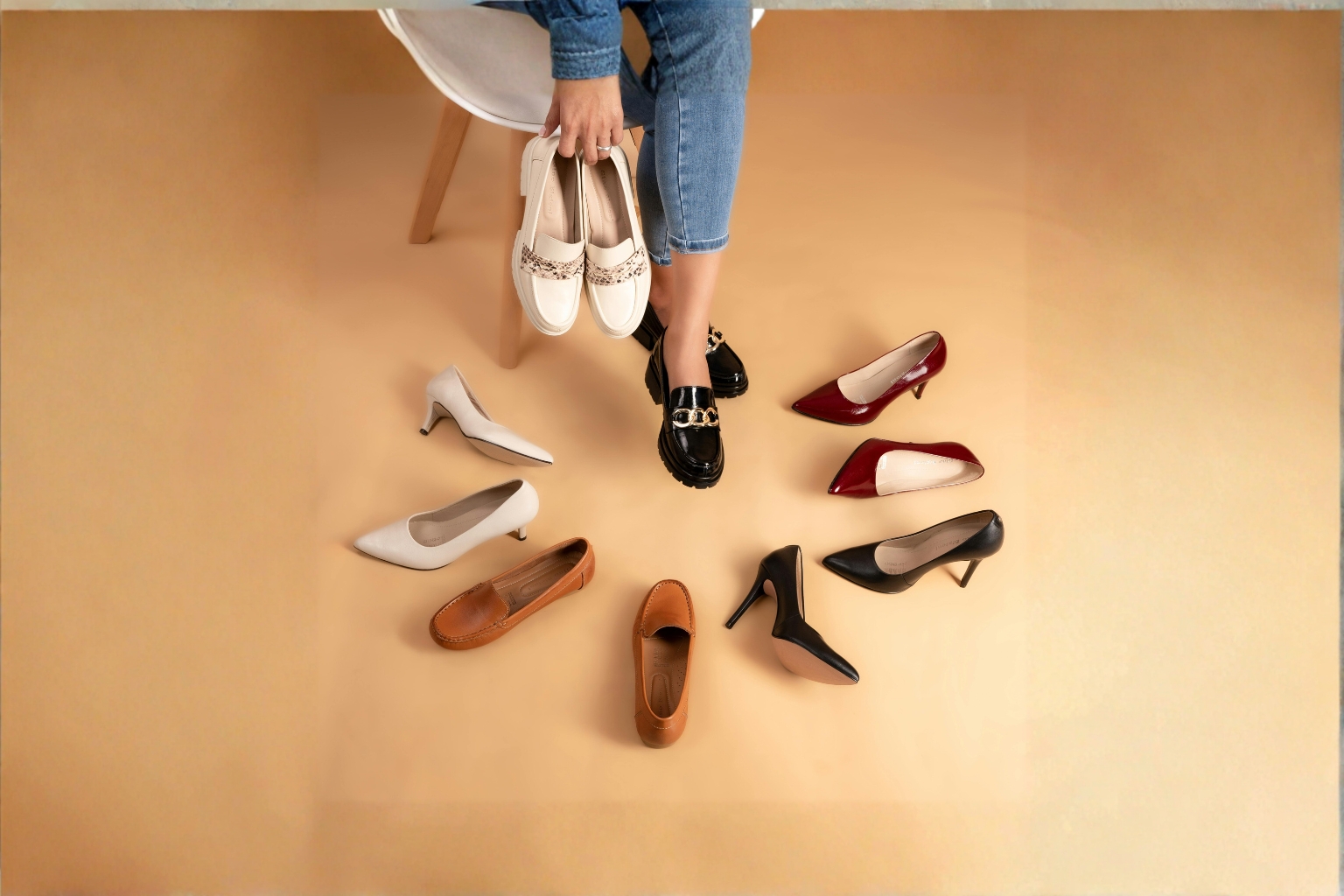
A structured handbag communicates organization. A belt enhances fit and adds detail. Shoes, though technically clothing, often function as style-defining accessories.
Functional accessories are powerful because they serve a purpose while elevating appearance.
How Accessories Elevate Basic Outfits
One of the greatest benefits of accessories is their ability to transform simple clothing.
Day-to-Night Transitions
Accessories make it easy to shift from casual to formal.
For example:
Basic black dress:
With flats and tote bag → Daytime casual
With heels and statement earrings → Evening elegance
With blazer and structured bag → Professional meeting
The clothing stays the same, but accessories change the message.
This strategy saves money and maximizes wardrobe versatility.
Color and Texture Coordination
Accessories allow you to experiment with color safely. Instead of buying bright clothing, you can introduce bold tones through bags, shoes, or scarves.
Smart coordination tips:
Stick to one statement color.
Match metals consistently (gold with gold, silver with silver).
Mix textures intentionally (leather, metal, fabric).
Avoid overcrowding your look.
Balanced styling creates harmony rather than chaos.
Seasonal Accessory Trends
Accessories change with the seasons and climate.
Spring and Summer
Lightweight scarves
Straw hats
Bright handbags
Sandals
Layered necklaces
These pieces create fresh and airy looks.
Fall and Winter
Wool scarves
Leather boots
Structured coats
Gloves
Dark-toned bags
In colder months, layering becomes essential. Accessories provide warmth while maintaining style.
Minimalism vs Statement Styling
There are two major approaches to accessorizing.
Minimalist Approach
Minimalism focuses on simplicity and elegance:
Thin chains
Neutral belts
Small earrings
Classic watches
This style works well in professional environments and daily routines.
Statement Approach
Statement styling embraces bold choices:
Chunky jewelry
Oversized sunglasses
Bright handbags
Unique footwear
Statement pieces attract attention and express personality.
Both approaches are valid. The right choice depends on occasion, mood, and personal taste.
Accessories and Personal Branding
Personal branding refers to how others perceive you. Accessories contribute strongly to that image.
In professional settings:
Structured bags show organization.
Classic watches signal reliability.
Minimal jewelry conveys focus.
In social settings:
Unique accessories highlight creativity.
Vintage items reflect individuality.
Bold colors communicate confidence.
Accessories shape perception without saying a word.
Budget-Friendly Accessorizing Tips
You don’t need a large budget to accessorize effectively.
Practical strategies include:
Invest in versatile neutral pieces first.
Purchase quality over quantity.
Explore thrift stores or resale platforms.
Maintain items properly.
Rotate accessories regularly.
One high-quality handbag can complement dozens of outfits. Smart investments reduce unnecessary spending.
Sustainable and Ethical Choices
Modern fashion increasingly values sustainability.
Look for:
Recycled materials
Ethical sourcing
Durable craftsmanship
Timeless designs
Buying fewer, higher-quality accessories reduces waste and supports responsible production practices.
Sustainability enhances both style and social responsibility.
Common Mistakes to Avoid
Accessorizing requires balance.
Avoid:
Wearing too many bold pieces at once
Mixing metals unintentionally
Ignoring occasion appropriateness
Wearing worn-out accessories
Choosing oversized pieces that overwhelm your frame
When in doubt, simplify. A balanced look always appears polished.
How to Build a Versatile Accessory Collection
Building a collection takes planning.
Start with:
One structured neutral handbag
One casual everyday bag
A versatile belt
Classic watch
Simple gold or silver jewelry
Comfortable yet stylish shoes
Gradually add statement pieces that reflect your personality.
Think of accessories as tools that enhance outfits rather than clutter them.
Frequently Asked Questions
1. How many accessories should I wear daily?
Usually one to three well-chosen pieces create balance.
2. Can accessories update old outfits?
Yes. Changing bags, jewelry, or shoes can refresh your wardrobe instantly.
3. Are expensive accessories necessary?
No. Quality and craftsmanship matter more than brand names.
4. How do I match accessories with my outfit?
Choose one focal point and ensure colors and metals coordinate.
5. Do accessories improve confidence?
Absolutely. A complete outfit often boosts self-esteem.
6. What is the most versatile accessory?
A structured neutral handbag is typically the most adaptable piece.
The Role of Accessories in Everyday Style is powerful, practical, and transformative. Accessories define personality, enhance confidence, and allow creative expression without requiring a complete wardrobe overhaul.
From minimalist jewelry to bold statement bags, accessories provide flexibility and versatility. They help adapt outfits for seasons, occasions, and moods with ease.
Ultimately, accessories are not just decorative extras—they are essential elements of personal style. By choosing thoughtfully and styling intentionally, you can elevate everyday looks and express your individuality effortlessly.
Small details make a big difference—and in fashion, those details often matter most.